HELL IS US
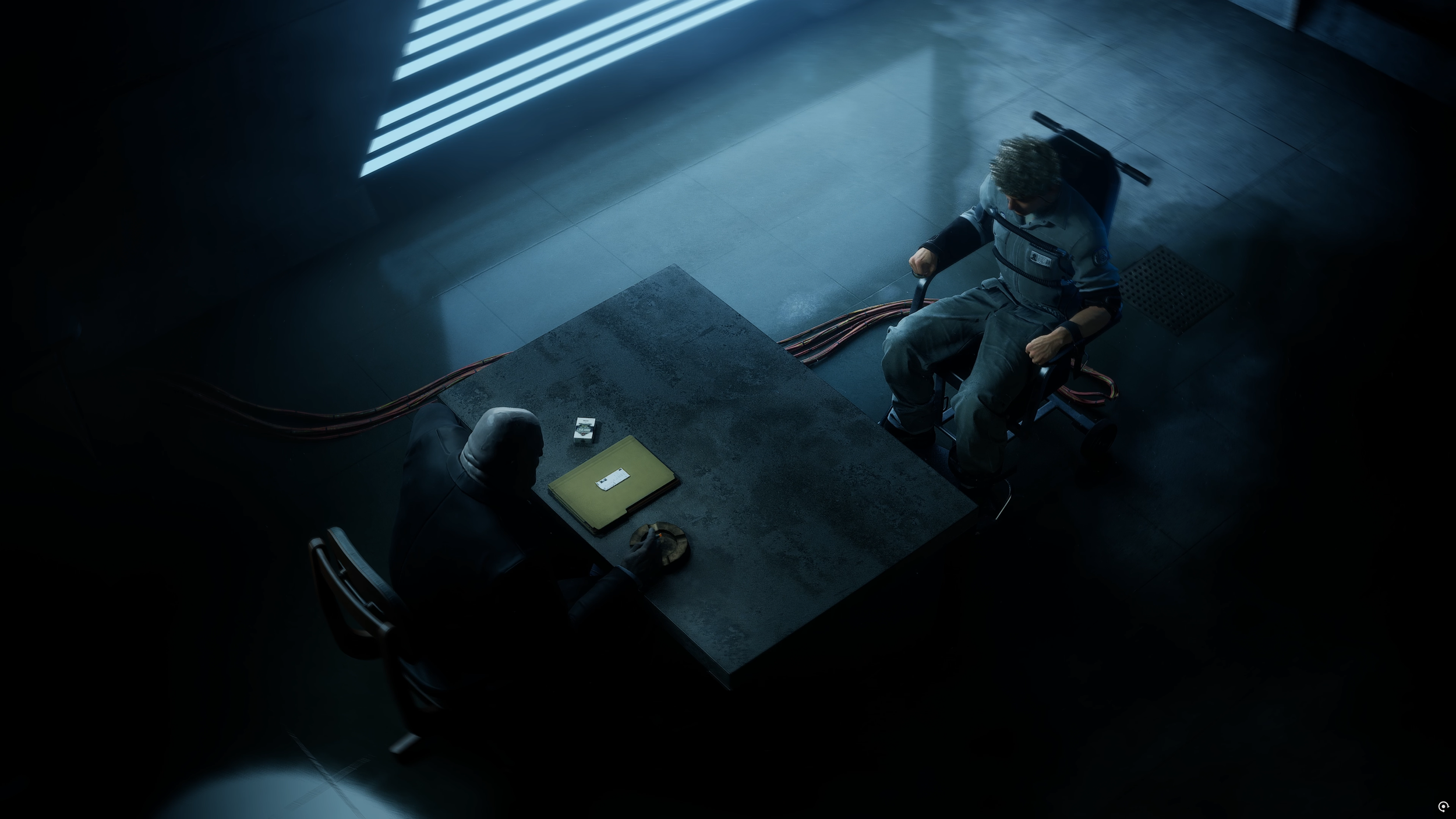
Hell is us is a remarkable creative work and indicative of the potential of the videogame medium in a time of great upheaval. While not perfect it effectively punches well above its weight delivering the videogame equivalent of a mid budget drama movie: something like 'Seven' (it hits hard, stands apart from the crowd and executes well).
Right from the opening moments the exceptional score by Stéphane Primeau situates you in the strange, terrifying and otherworldly land of Hadea. Deeply reminiscent of Ben Salisbury and Geoff Barrow's soundtrack for Annihilation, without being derivative, it creates a sonic landscape of unsettling drones, earthshattering bass, melodic synths and screeching highs which is arguably the best thing about the game, but without a doubt a vital part of the piece.
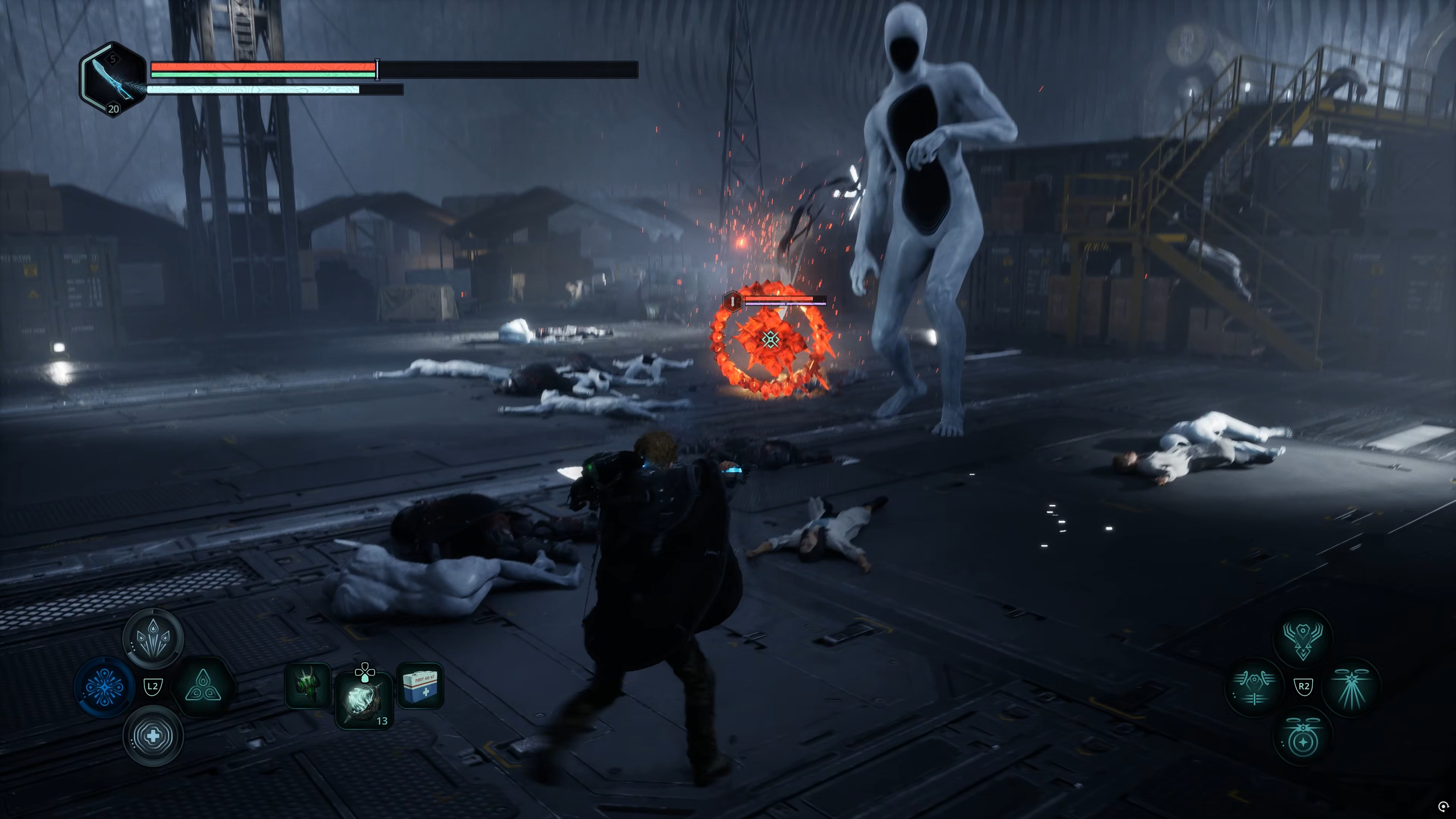
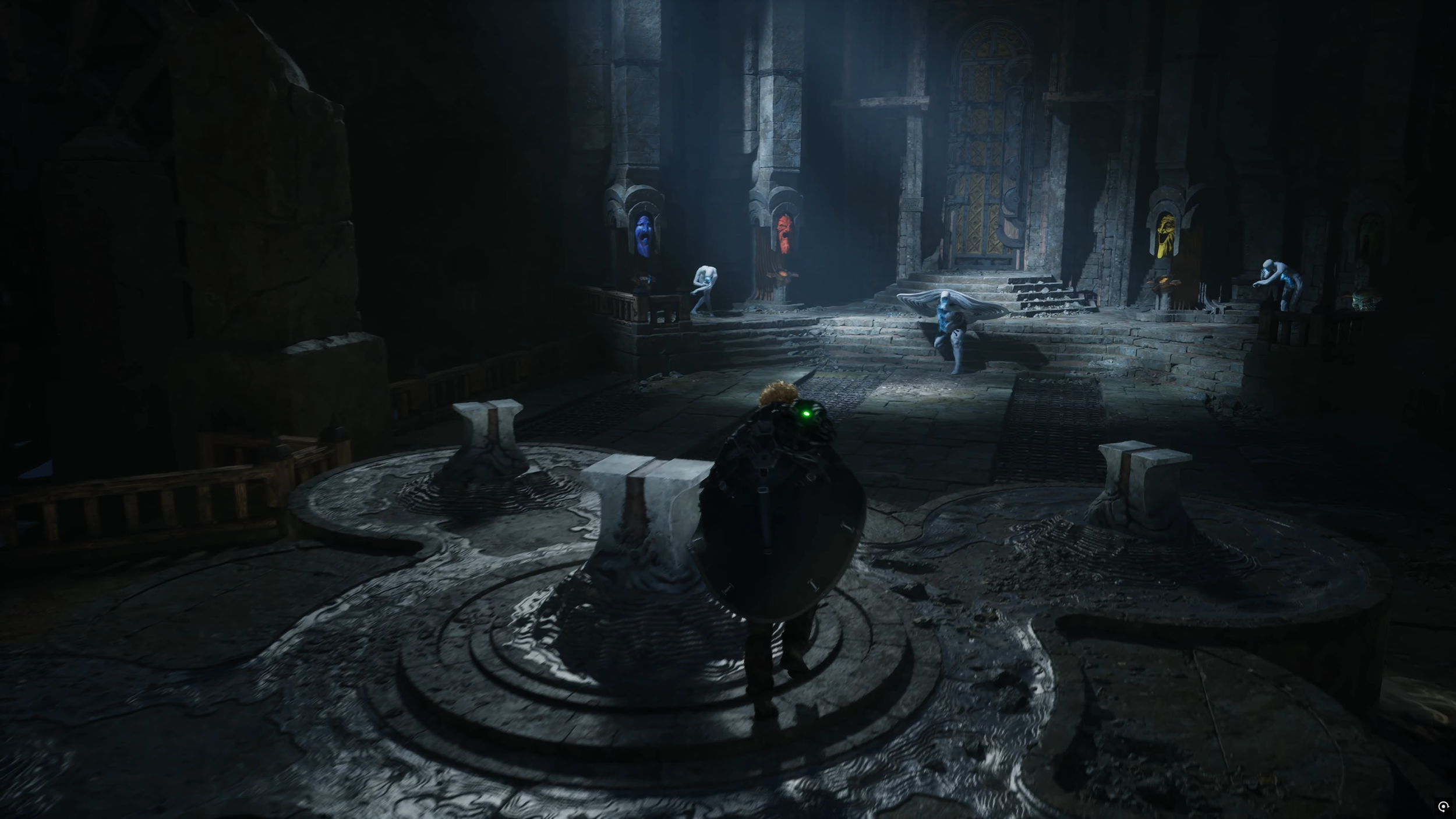
Visible from the trailers and evident soon within the gameplay are the disconcerting limbic entities and their geometrically tethered emotional manifestations. Their unsettlingly smooth exterior added to their disjointed movements and ferocious geometric constructs constitutes the main challenge of the piece. Their swift and visually complex assaults challenge the player to use their whole arsenal of tools and skills to survive each encounter. Thoughtful design elevates them above simple enemies though and ties them into the main theme of the game.
The consequences of unchecked emotions and our use of them them in the destruction of others and the perpetual cycle of pain it creates. While the piece neatly does away with the idea that supressing these emotions is an obvious solution, showing repressions does more harm than good, it also does not shy away from letting us witness the suffering we are walking in to. Despite this it avoids Darksploitation through the NPC's of the world.
I was not expecting was just how many people would be present in the world. There is far more to learn and discover and do with the people of Hadea than you might expect and although much of the narrative is judiciously handed out through world items which are simple pictures and text (a very economical choice which allows far more visual fidelity and variety than if they had tried to make them all 3d models and voice acted), the people are the fundamental grounding and soul of the piece which helps to elevate it beyond the opaque story telling of Dark Souls (an obvious inspiration).
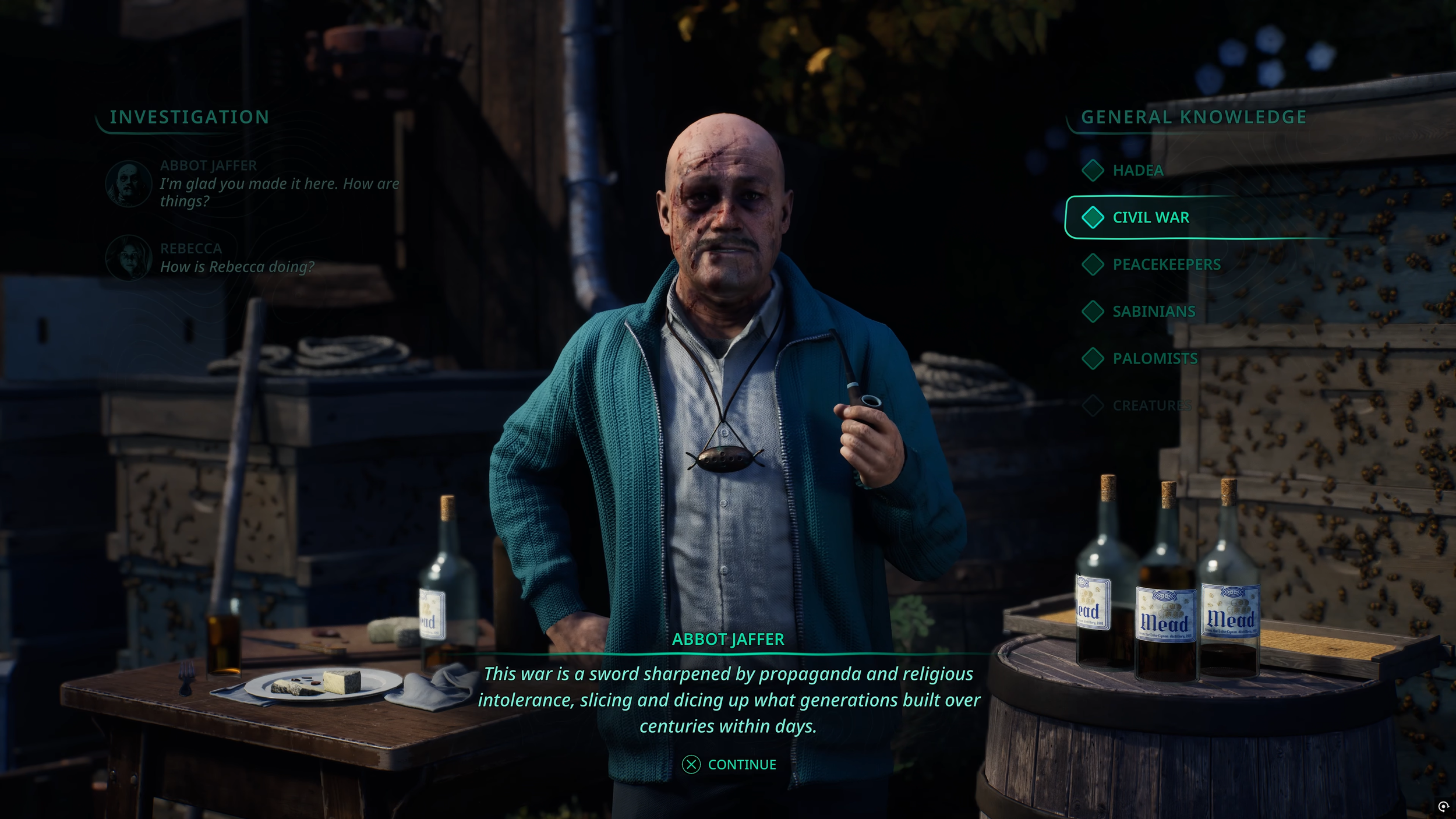
This does however lead to the perfunctory framing and explicit mystery concerning the main character's past. Here the budget it evident and it fails to deliver a narrative worthy of the rest of the piece. It's not bad, but if the rest of Hell is Us is a mid budget movie which attains cult status and stands up years later, the main plot is a forgettable B movie. It's primary failure is not being able to deliver on the emotional throughline (which I gather was its intended purpose) of this part of the narrative. I think they could have taken a page out of their own book and gone for less is more. I suspect that the lack of budget was mostly to blame and sadly it rears it's head again right at the end to deliver something which a decent exec would have given them some more money and told them to polish it up a bit as people remember the ending.
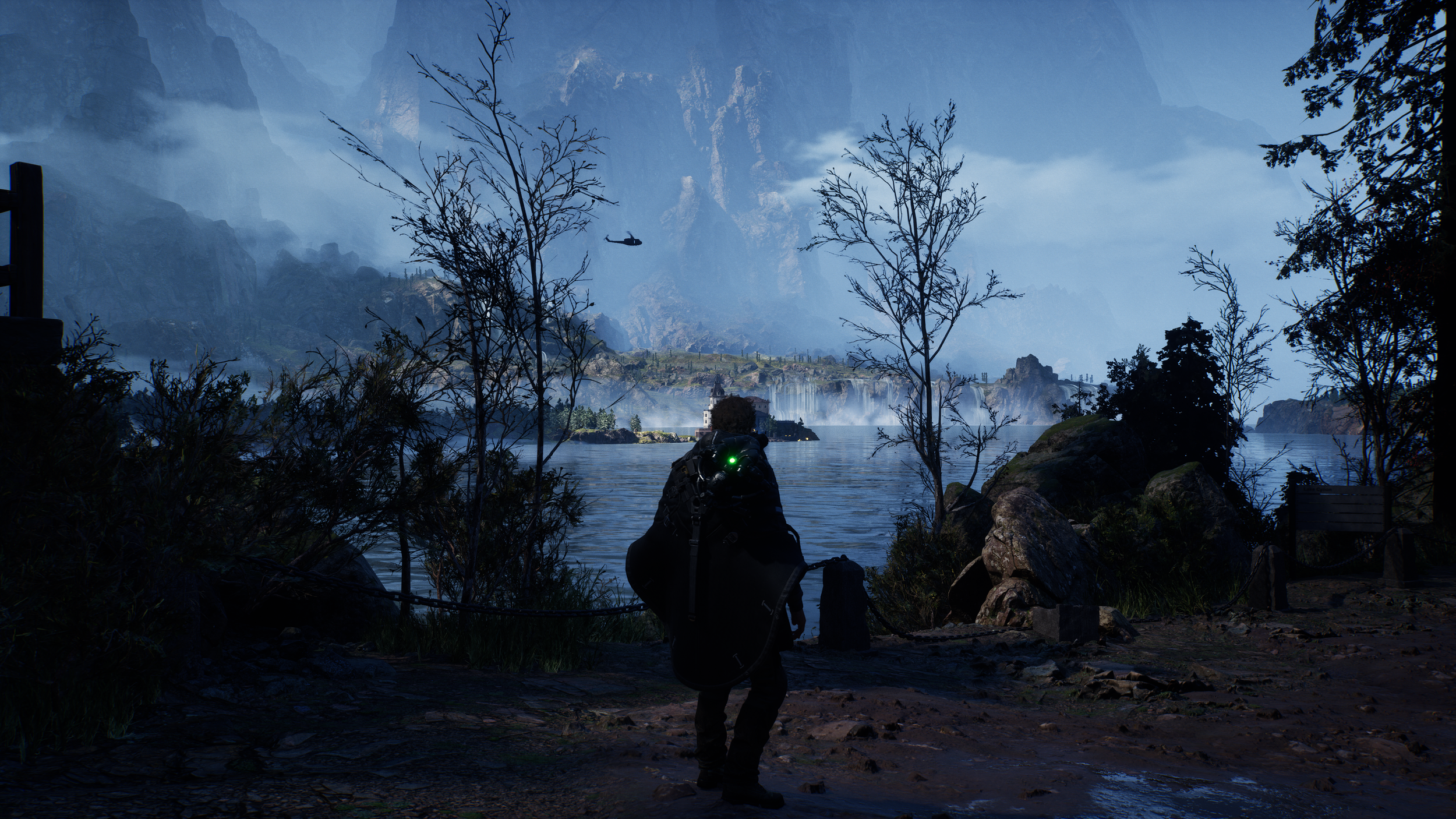
Nevertheless, the world stuck with me. The judicious decision to split things up into several large maps with sprawling interconnectedness with keys that open locks on the other side of the map and a dash of nonlinearity put you in the shoes of someone exploring this land for the first time. The wise decision to not have quest markers and have the quest log more like the notebook of a detective keeps the player situated in the world itself, looking around at the architecture and trying to discern the clues themselves.
In fact the lack of a traditional quest system is the main reason I was interested in this game. I'm always fascinated with games which allow more freeform exploration of the narrative and themes. Treating these things as puzzles and investigations is not only enjoyable but it means that your players engage with the work of the level designers more and in doing so makes their work more grounded within the mythology of the game world. This virtuous circle deepens the immersion quite considerably.
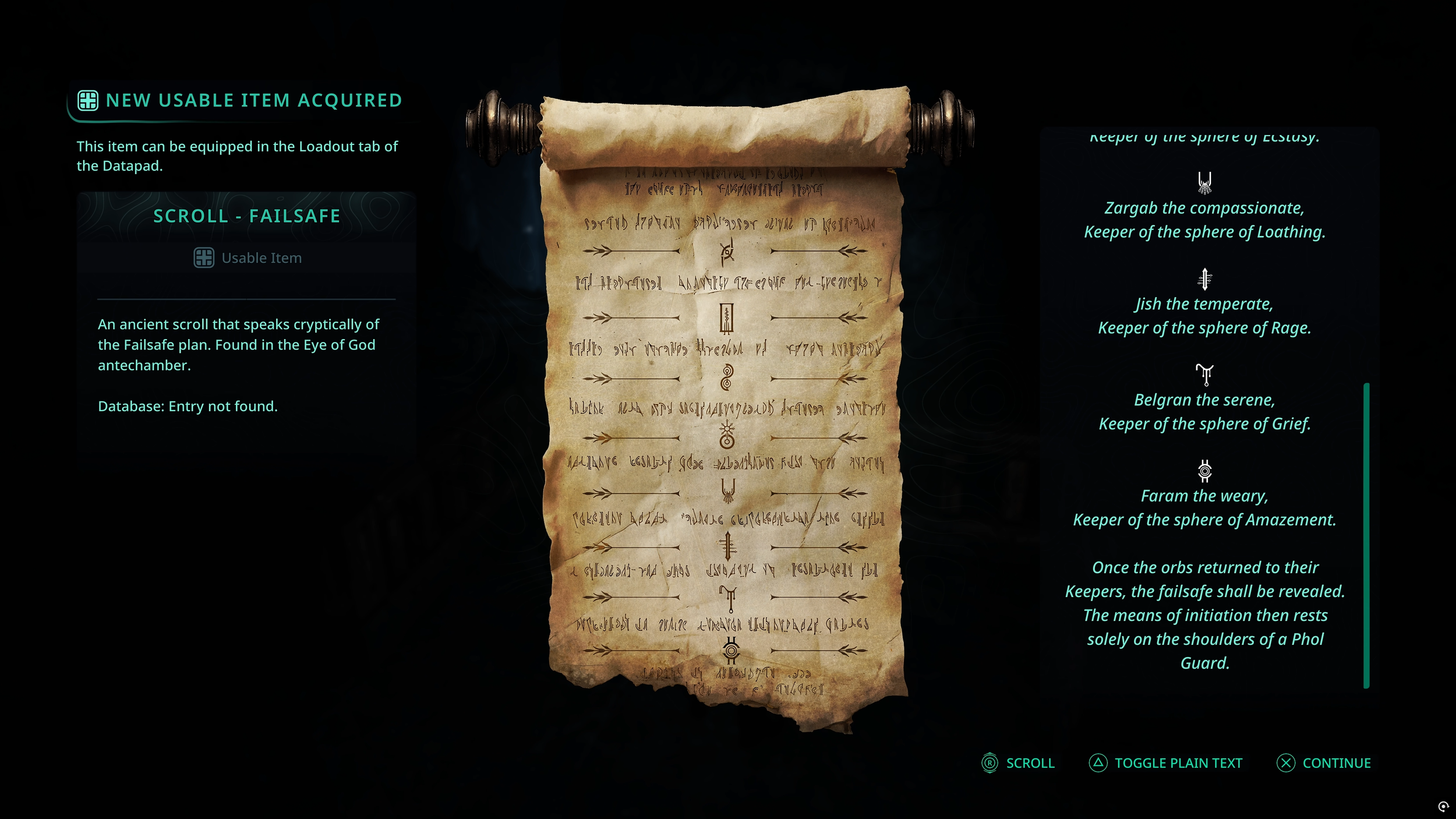
And the world is worth exploring. The mythology follows in the traditions of HP Lovecraft, The SCP foundation, Stalker (the movie) and Annihilation (to new a few). The bleak setting of a country torn apart by years of civil war for territorial, religious and ethnic reasons is all too familiar to us echoing real world bloodshed such as the Ruso Ukranian war and Israel/Palestine. Nevertheless it succeeds in stating the obvious: these conflicts are futile and the cost of human life and wantant descruction of society is a cost not worth paying.
In this way the bleakness of the setting can be oppressive at times, but the game succeeds at transcending the mere tropes of darkness or succumbing to a nihilistic point of view and presents the desperate pockets of society as the bright stars in the oceans of darkness. In this way it avoids the pitfalls of games such as The Last Of Us, which through it's ludonarrative make us complicit in the sadistic hatefulness of their worlds, and reaches the heights of games such as Death Stranding and movies like Children of Men. Works which help to properly contextualise human suffering as an abhorrent but all too common circumstance to which numbness and complicity is a natural, but self defeating attitude and resistance is in itself victory against these forces.
Nevertheless the Irony of the primary mechanic being combat exists. Thankfully the judicious selection of the only enemies you can fight being otherworldly beings helps keep the narrative intact. While it does well to conform the genre tropes of a third person action game, it never reaches the complexity of games such as Sifu or the difficult of Dark Souls. Despite this the sound design is crunchy, the animations are swift and the arenas are grand and I was never disappointed with what it presented to me.
Hell is Us walks it's own path and will stand the test of time for doing so. Occasionally janky, but often brilliant. This one is worth your time if the genre and tone seem interesting to you. There is nothing quite like it.